Tuned-inSchool
The learning hub

Make studying easier

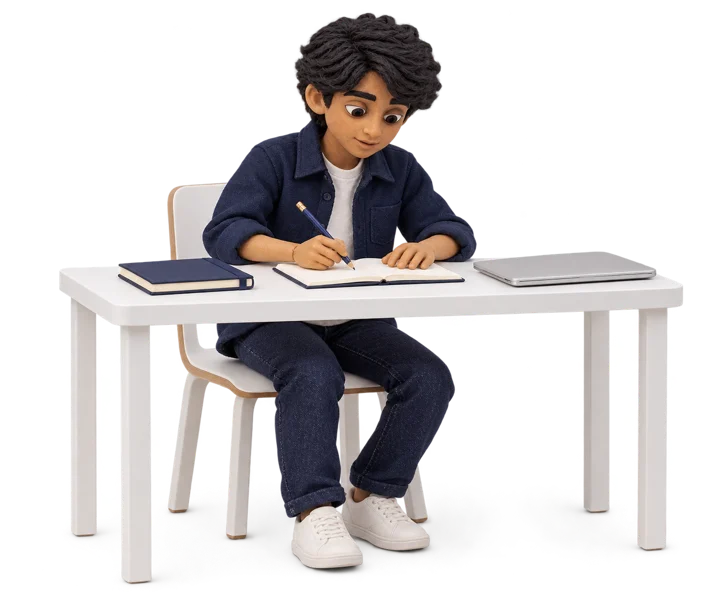
Close the notes. What can you explain?

The short answer

Close the notes and try one small question. Then check, correct and return later. Recall practice should give useful feedback, not catch someone out.

Understand

Familiar is not the same as available

A page can look familiar while its main idea remains hard to explain without it. A small recall attempt makes that gap visible.

The response can be spoken, sketched or worked through. Choose a format that practises the skill you need.

Try before you look
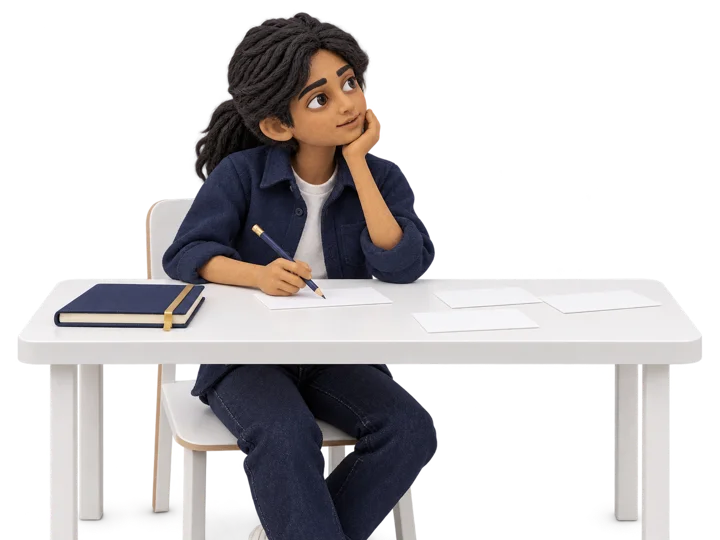
A miniature learner pausing to recall an idea.
Make the first attempt small and low pressure.
See the diagram

Recall before reopening

Recall before reopeningClose the notes; Explain the idea; Check and correct?CloseRecallCheckClose the notesExplain the ideaCheck and correct

See it in practice

Where did the water go?

After learning about evaporation, close the notes. Explain what happens to the water. Compare the attempt with the course material.

Later, try another example: a wet towel drying. If nothing comes to mind, use a cue and make the next question smaller.

Explain it in your own words
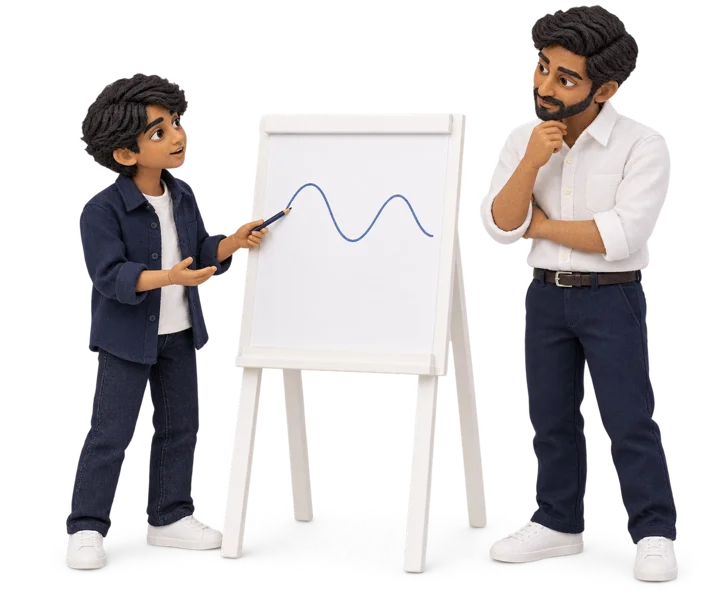
A miniature learner explaining an idea.
Recognising a page is not the same as retrieving an idea.
See the diagram

Familiar versus available

Familiar versus availableI recognise this; Can I explain it?; Try without looking?CloseExplainCheckI recognise thisCan I explain it?Try without looking

Use AI thoughtfully

Where AI fits

AI can ask one question at a time using checked course material. Its feedback still needs verification.

Ask for a little help
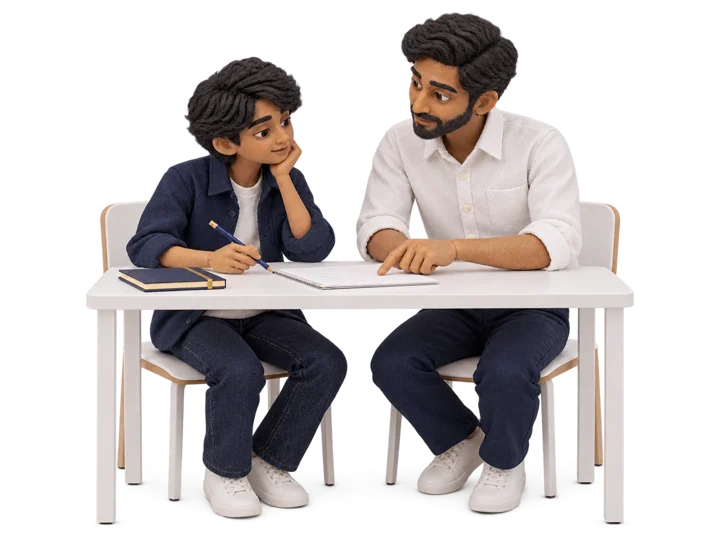
A miniature learner considering a clue.
Use a small question with a clear purpose.
See the diagram

Evaporation, from memory

Evaporation, from memoryWhere is the water?; What happened to it?; Check the explanation?CloseWhere did it go?CheckWhere is the water?What happened to it?Check the explanation

Try it today

Try one thing

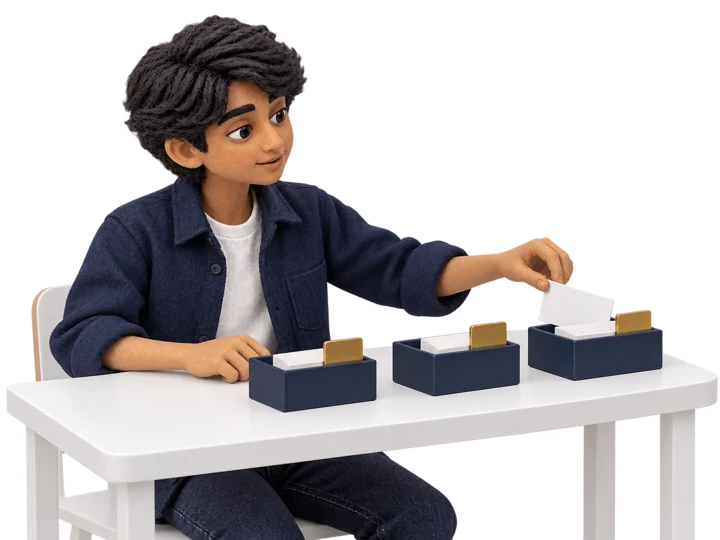
At the end of today's lesson, answer one small question without the notes. Check it immediately afterward and write one thing to revisit. Stop there if that is enough for today.

Check against a source
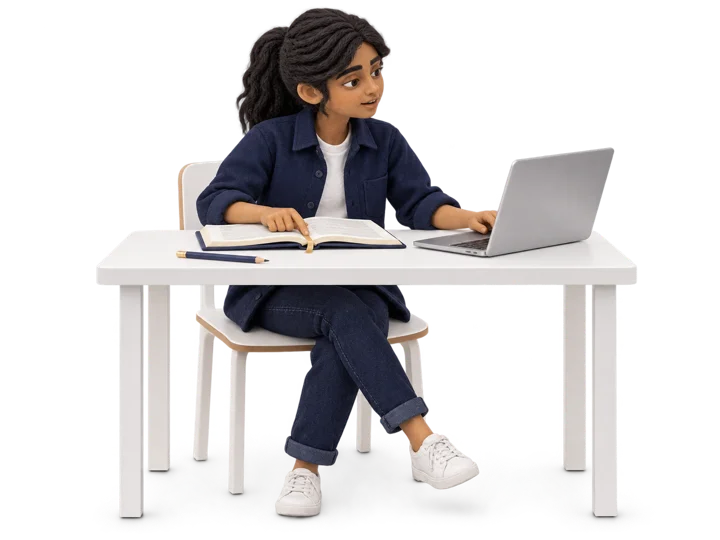
A miniature learner checking study material.
A wrong answer gives information for the next step.
See the diagram

Return to what was missing

Return to what was missingMake an attempt; Find one gap; Revisit that gap?CloseFind the gapCheckMake an attemptFind one gapRevisit that gap

Check what changed

Return to the question on a later day. Look for a more accurate explanation, not merely more confidence. If nothing comes to mind, use a cue, revisit the teaching and reduce the size of the next question.

Explore 8 more visual examples Optional. Pick the one you need.

Explain it in your own words

A miniature learner explaining an idea.
Use a format that practises the relevant skill.
See the diagram

Choose an accessible response

Choose an accessible responseSay it; Sketch it; Solve it1Say it2Sketch it3Solve it

Ask for a little help

A miniature learner considering a clue.
Recall practice need not become a surprise test.
See the diagram

Keep the stakes low

Keep the stakes lowOne agreed question; An honest attempt; Useful feedbackOne agreed questionAn honest attemptUseful feedback

Check against a source

A miniature learner checking study material.
An attempt without correction can leave an error unresolved.
See the diagram

Check promptly

Check promptlyYour response; Trusted material; A correction1Your response2Trusted material3A correction

Try it independently

A miniature learner working through a task independently.
A new case can test whether the explanation is usable.
See the diagram

Use a different example

Use a different exampleEvaporation explained; A wet towel dries; Apply the ideaEvaporation explainedA wet towel driesApply the idea

Ask for a little help

A miniature learner considering a clue.
An empty response is not a reason to increase pressure.
See the diagram

When nothing comes to mind

When nothing comes to mindUse a cue; Revisit the teaching; Try a smaller question1Use a cue2Revisit the teaching3Try a smaller question

Check against a source

A miniature learner checking study material.
AI can support the routine without becoming the authority.
See the diagram

AI as question setter

AI as question setterChecked course material; One question; Verified feedbackChecked course materialOne questionVerified feedback

Come back to it

A miniature learner arranging separate review sessions.
Look for what is available after time has passed.
See the diagram

Come back later

Come back laterToday’s attempt; A later question; Compare accuracy1Today’s attempt2A later question3Compare accuracy

Try before you look

A miniature learner pausing to recall an idea.
Good recall practice does not require an AI tool.
See the diagram

Do not add a false AI claim

Do not add a false AI claimRecall evidence; An AI-assisted routine; No proven extra benefitRecall evidenceAn AI-assisted routineNo proven extra benefit

What we know, and what we do not

Evidence and limits

The review supports retrieval practice across classroom settings. It does not prove that every format suits every neurodivergent student or that AI adds benefit to an already good recall routine. Accessibility, accurate feedback and the learning goal still require thoughtful choices.

Sources